Burnout Support Through Sound Healing, Sound Baths & Somatic Practices
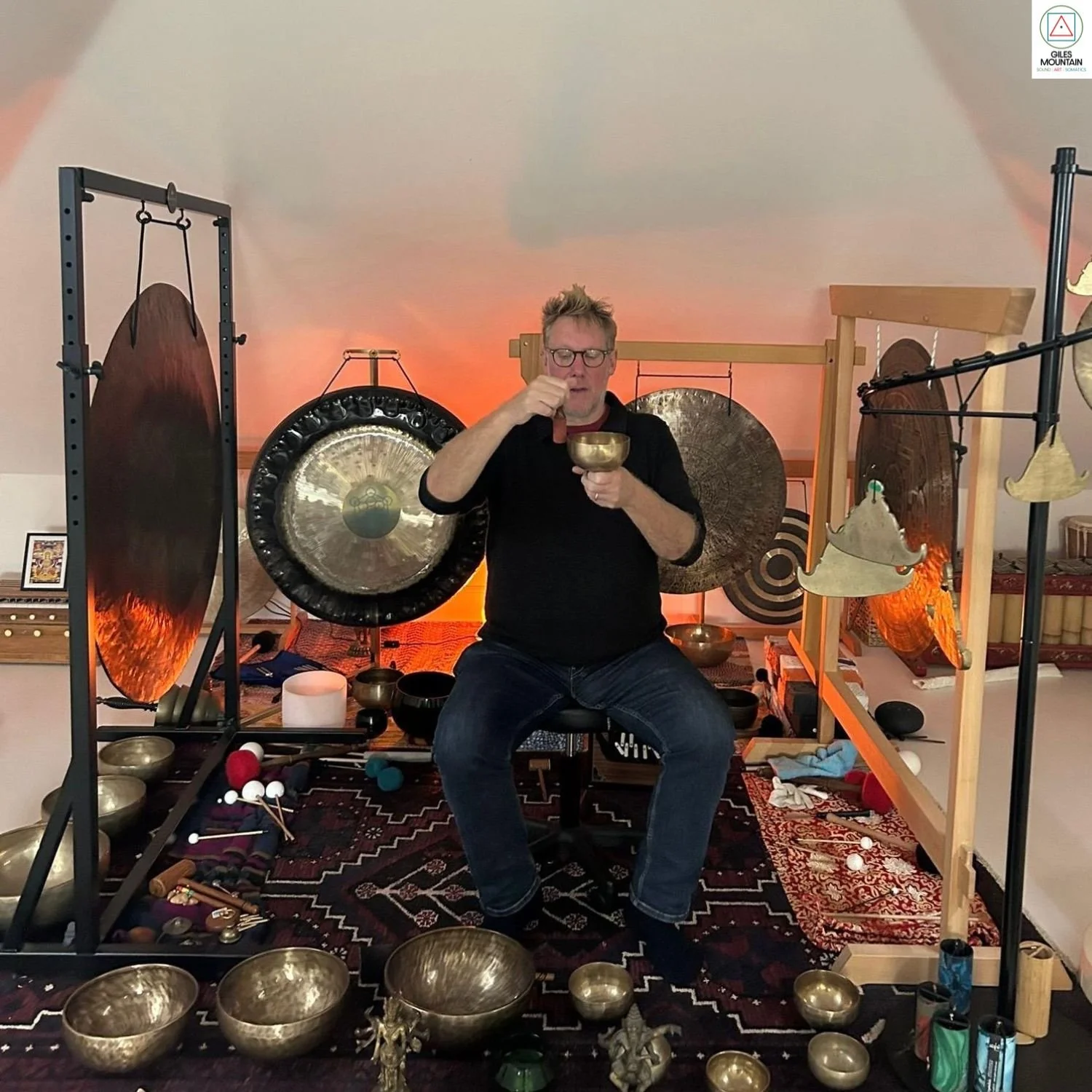
I spent more than twenty years working in the corporate world in London, managing property and facilities for various blue-chip companies. The work was fast-paced, demanding, and full of constant problem-solving. I learned to operate on high alert, always switched on and always delivering. What I didn’t realise was that I was slowly burning out.
My burnout didn’t arrive in one dramatic moment. Instead, it crept in quietly: insomnia, gut issues, physical tension, exhaustion, irritability, overwhelm, psoriasis, and depression. Individually, these symptoms didn’t seem serious. But together, they were telling a story, one that I wasn’t yet willing to hear.
Because I was still functioning, still getting out of bed after four hours’ sleep, I assumed I was coping. During the height of the Covid pandemic, it was difficult to distinguish between environmental stress and what was happening inside my own body. What I didn’t know then was that my nervous system had been stuck in stress & overdrive for years.
Understanding Burnout: What It Really Means for the Nervous System
The World Health Organization defines burnout as a syndrome resulting from chronic, unmanaged stress. It typically shows up in three key ways:
Emotional exhaustion — feeling drained, depleted, and unable to cope.
Cynicism or detachment — becoming numb, negative, or disconnected from work or responsibilities.
Reduced sense of accomplishment — feeling ineffective or like nothing you do is enough.
Can you relate to any of these?
Although burnout is often associated with work, it is fundamentally a physiological state. A sign that the nervous system can no longer regulate itself. When stress becomes constant, the body stays stuck in fight-or-flight. Adrenaline and cortisol remain chronically high, heart rate increases, digestion slows, muscles tighten & sleep becomes disrupted.
Over time, this leads to chronic fatigue, irritability, digestive issues, insomnia, and emotional shutdown. I’ve learnt burnout is not a personal failure or weakness, it’s the body signalling that it has hit its limit.
My Turning Point & How Sound Healing Supported My Burnout Recovery
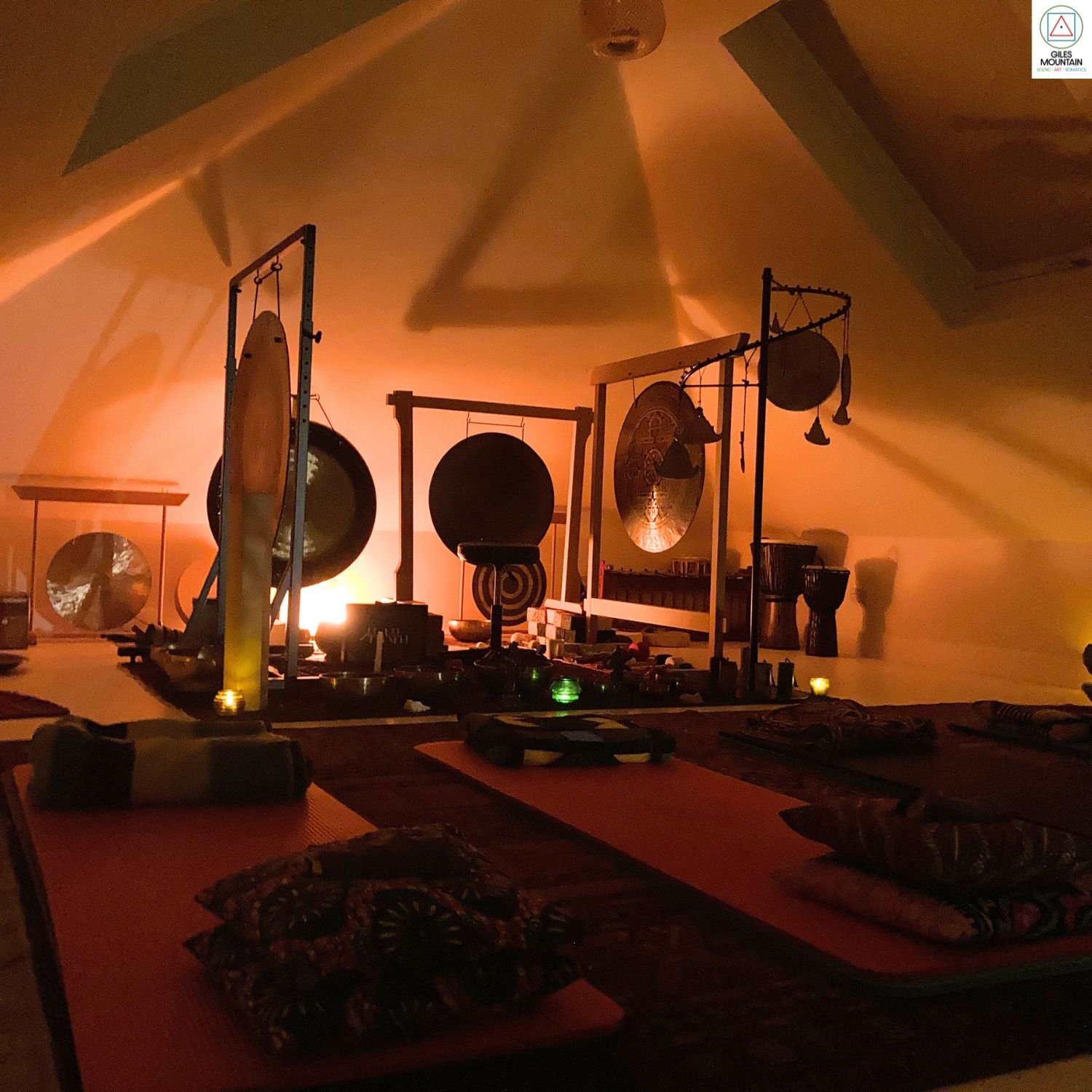
In 2021, I was made redundant. By then, I had already begun studying to become a Sound Healing Practitioner and had spent more than a decade dancing 5Rhythms, a movement meditation practice that had quietly been supporting my mental and emotional health.
These practices gave my system small doses of regulation when everything else felt overwhelming. In 2022, I became a somatic coach with the Focalising Institute. Through this work and through supporting clients in my sound healing sessions and somatic 1:1 work, I’ve seen the amazing results this type of stress management therapy creates. I’ve witnessed how deeply sound baths, sound frequency work, somatic techniques, breathwork, and nervous system practices can support people experiencing burnout and chronic stress.
The beauty of these sound meditation tools is their accessibility. You don’t need hours of practice. Even a few minutes of sound & embodied attention can soften anxiety, release tension, and bring the nervous system back into a sense of safety and grounding.
Below are the core sound and somatic practices I use personally and with clients to support burnout recovery.
Sound Healing & Somatic Tools for Burnout, Stress & Nervous System Regulation
Grounding Practices for Stress Relief
Grounding helps bring us back into the body, restoring presence, calm, and stability. For me, grounding happens most naturally outdoors: walking barefoot on the earth, sitting against a tree & breathing near the sea.
This simple reconnection with nature shifts the nervous system out of overwhelm and into regulation.
Breathwork for Burnout Recovery
Breath is one of the most effective tools for calming the nervous system.
Box breathing (inhale 4 – hold 4 – exhale 4 – hold 4) is a reliable regulation practice for stress relief.
One of my personal favourites is the humming bee breath.
A long, slow humming exhale that sends soothing vibrations through the body. This practice tones the vagus nerve, reduces fight-or-flight activation, and promotes deep relaxation. Closing the eyes and ears can intensify the experience.
Somatic Movement for Releasing Stored Stress
While I love dancing, some of the most healing movement comes from asking:
“How does my body want to move right now?”
This creates space for authentic, intuitive movement rather than performance. Gentle shaking can release stagnant energy, soften chronic tension, and reconnect us with our natural rhythm.
Resourcing: Building Inner Safety
Resourcing is the practice of connecting with something that evokes: safety, joy, grounding & warmth.
This could be a memory, a place, a smell, a person, or a spiritual image. Resourcing strengthens emotional resilience and increases the capacity to stay present with difficult sensations.
Somatic Awareness & Sound
When big emotions arise, most of us retreat into our heads. Somatic awareness brings us back into the body. Notice where the emotion lives: tight chest, heavy belly or buzzing limbs?
Sound healing integrates beautifully with this:
Ask your body: “What sound does this emotion want to make?”
Allowing anger, sadness, fear, or joy to express through sound creates profound stress release. Vibrational sound supports emotional processing and allows the body to complete cycles it previously had to suppress.
Humming for Burnout & Stress Relief: A Simple Daily Practice
Humming is one of the most effective sound healing tools for nervous system regulation, vagus nerve stimulation, improving heart rate variability, supporting emotional balance & reducing anxiety & overwhelm.
A Quick Humming Practice:
1. Sit comfortably
2. Inhale through the nose
3. Exhale with a soft hum
4. Feel the vibration in your chest, face, or skull
5. Continue for several minutes
Experiment with vowel sounds like ah, oh, om, or mmm. Humming increases nitric oxide, supports oxygenation, and helps the body shift into a parasympathetic state.
If you would like me to guide you through a quick exercise pop over to my Instagram where you can find one of my recent videos, on humming & resourcing in somatic practice.
The Deeper Invitation Within Burnout
As difficult as burnout is, it carries a profound invitation, a call back to the body.
Burnout asks us to reflect on:
What pace truly nourishes me?
Where am I pushing past my capacity?
How can I honour rest as much as action?
What helps me feel grounded and at home in myself?
Sound healing, somatic therapy, and nervous system practices remind us that the body knows how to heal. When we slow down, breathe deeply, and listen inwardly, the system begins to find its way back to balance.
Healing burnout is not about doing more, it’s about listening more. Listening to the hum of the body. Listening to the messages we’ve ignored. Listening to the wisdom underneath the noise.
This is how balance returns, not as something we chase, but as something we come home to. If you’d like to explore sound baths, sound healing sessions, or 1:1 somatic support, I’d love to connect.